How Emergency Glazing Protects Homes After Breakages
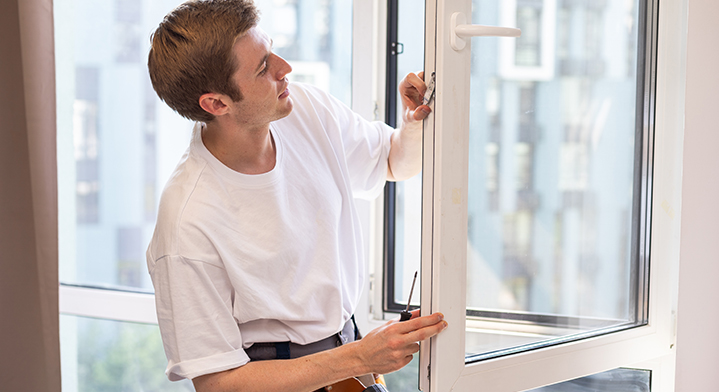
A shattered window is more than just broken glass—it’s a serious threat to your home’s safety and security. Whether it’s caused by an accident, severe weather, or a break-in attempt, quick action is crucial. Learn how professional emergency glazing can restore protection, secure your property, and give you peace of mind in any situation.
Glass breakages can happen suddenly and leave a home exposed to several risks. A shattered window allows cold air, rain, and debris to enter while also creating security concerns. In these situations, emergency glazing provides an immediate solution that helps secure the property until permanent repairs are completed.
Emergency glazing focuses on restoring a protective barrier quickly. By stabilising the damaged opening, professionals prevent further damage and help maintain the structure of the window frame. This is especially important in homes where glass panels have been modified for features like cat flap installation, as these customised sections require careful handling to ensure the surrounding glass remains stable after breakage.
Why Broken Windows Need Immediate Attention
Windows play an important role in protecting the home. When glass breaks, several problems appear at once.
One of the first concerns is security. A broken window creates an easy entry point, leaving the property vulnerable until it is properly sealed.
Weather exposure is another serious issue. Rain and wind can enter through the opening and damage flooring, furniture, and insulation.
Broken windows also affect indoor temperatures. Research in residential energy efficiency shows that poorly sealed windows can contribute to around thirty percent of heat loss in a home. Emergency glazing helps restore the barrier needed to keep indoor conditions stable.
What Emergency Glazing Involves
Emergency glazing services are designed to respond quickly after glass damage occurs. The goal is to secure the opening and prevent further problems.
The process usually begins with a careful inspection of the damaged window. Technicians check the condition of the frame, surrounding materials, and any remaining fragments of glass.
Next, broken pieces are removed safely. Clearing these fragments reduces the risk of injury and prepares the opening for temporary protection.
Once the area is clear, the opening is sealed using strong temporary glazing materials. This protective layer shields the interior of the home from weather and outside elements until replacement glass can be installed.
How Emergency Glazing Protects the Home
Emergency glazing does more than simply cover a broken window. It helps restore safety and stability throughout the property.
One major benefit is maintaining indoor climate control. Without a sealed window, warm air escapes quickly during colder months and hot air enters during warmer weather. Temporary glazing restores insulation and improves comfort inside the home.
It also protects interior spaces from damage. Rain, dust, and debris entering through broken glass can quickly affect walls, flooring, and furnishings. Sealing the opening prevents these issues from spreading.
Where windows include additional features such as cat flap installation, proper glazing protection is essential. These panels often involve precision-cut glass sections that must remain structurally secure during repairs.
Types of Glass Often Repaired After Breakages
Different types of glass are used in modern homes, and each requires a slightly different repair approach.
Standard float glass is commonly found in older windows. When it breaks, it usually shatters into sharp fragments that must be removed carefully.
Toughened safety glass is stronger and designed to break into smaller pieces when damaged. This reduces the risk of serious injury but still requires immediate glazing support.
Laminated glass contains a protective internal layer that holds fragments together. Even when cracked, it may remain partly intact, but professional glazing is still needed to stabilise the pane.
Understanding the type of glass helps professionals determine the safest temporary solution.
Supporting Long-Term Window Repairs
Emergency glazing acts as a protective step before permanent repairs take place. Once the window opening is secured, professionals can measure the area accurately and prepare a replacement panel.
This process ensures that the new glass fits correctly and restores the original strength of the window. It also allows time for customised glass panels to be manufactured when necessary.
Windows that include cat flap installation often require specially prepared glass panels. Temporary glazing ensures the window remains safe while the correct replacement glass is produced and installed.
Preventing Future Glass Breakages
Although accidents cannot always be avoided, proper maintenance can reduce the risk of window damage.
Regular inspection of frames and seals helps identify weaknesses before they become serious problems. Well-maintained frames place less pressure on the glass and reduce the chance of sudden breakage.
Upgrading to stronger glass materials can also improve durability. Laminated or toughened glass offers better resistance to impact and environmental stress.
Keeping windows properly aligned and ensuring seals remain intact helps maintain long-term performance and safety.
Final Thoughts
A broken window can quickly affect the safety, comfort, and protection of a home. Emergency glazing provides a rapid response that restores a protective barrier and prevents further damage. By sealing the opening and stabilising the frame, professionals help maintain security and indoor comfort while permanent repairs are arranged.
Homes with customised glass panels, including those designed for cat flap installation, benefit from this careful approach. Emergency glazing ensures these features remain safe until the correct replacement glass is fitted, allowing homeowners to protect their property during unexpected breakages.