Exploring Different Materials Used For Printed Bags And Their Uses
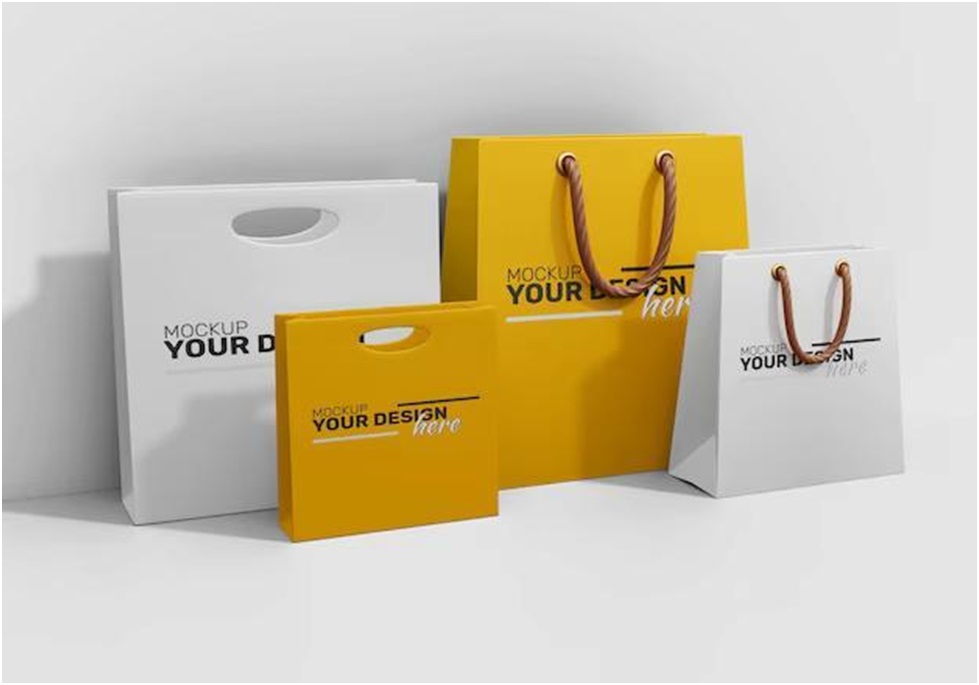
Printed bags are more than just carriers—they’re a branding tool, an eco-friendly alternative, and a style statement. In this guide, we’ll explore the most popular materials used for printed bags, their unique benefits, and how each suits different uses. From paper to canvas and beyond, find out which option fits your needs best.
In today’s competitive market, packaging has become as important as the product itself. Businesses are constantly searching for ways to make their brand stand out while keeping sustainability in mind. This is where printed bags have gained immense popularity. They offer a perfect blend of function, style, and branding potential.
However, not all printed bags are the same. They come in a variety of materials, each with its own strengths and ideal uses. Choosing the right material can enhance customer experience, improve brand perception, and even help the environment.
Paper Printed Bags
Paper printed bags are a classic choice for retailers, bakeries, and event giveaways. They are eco-friendly, recyclable, and can be printed with high-quality designs.
Paper bags come in different strengths, from lightweight kraft paper for small items to reinforced versions for heavier products. They are especially popular in clothing stores, gift shops, and cafes.
Their main advantages include affordability, ease of branding, and a sustainable image. However, they are less durable in wet conditions, which makes them better suited for indoor or dry weather use.
Cotton Printed Bags
Cotton printed bags are a favourite for eco-conscious brands. Made from natural fibres, they are reusable, washable, and long-lasting. These bags are often used for grocery shopping, promotional events, and as merchandise giveaways.
Cotton offers a smooth surface for printing, making designs look crisp and vibrant. They are strong enough to carry heavy loads, and customers appreciate their reusability.
The main downside is the cost—they are more expensive than paper or plastic. But their durability means they can be used for years, offering repeated brand exposure.
Canvas Printed Bags
Canvas is a heavy-duty cotton material known for its exceptional durability. Canvas printed bags are the go-to choice for lifestyle brands, beach shops, and outdoor event merchandise.
They can hold a lot of weight without losing shape, making them perfect for carrying books, groceries, or promotional items. Their rugged look also appeals to customers who want a stylish yet practical bag.
Canvas bags can be dyed in different colours and customised with bold, eye-catching prints. They’re a premium option for brands wanting to leave a lasting impression.
Jute Printed Bags
Jute, often called “the golden fibre,” is a natural, biodegradable material with a coarse texture. Jute printed bags are highly durable and have a rustic, eco-friendly appearance.
They’re often used by organic food brands, farmers’ markets, and eco-conscious businesses. Their strength makes them suitable for heavy items, and they can be reused many times.
While jute’s rough surface can make fine printing more challenging, bold and simple designs stand out beautifully. They are a perfect match for brands promoting sustainability.
Non-Woven Polypropylene Bags
Non-woven polypropylene (NWPP) printed bags are lightweight, water-resistant, and affordable. They are made from a fabric-like material created from plastic fibres, offering a balance between reusability and cost.
These bags are popular for trade shows, supermarkets, and promotional giveaways. They come in many colours, making them easy to customise with logos and designs.
Although they are not biodegradable, they can be reused multiple times and recycled in certain facilities. Their resistance to moisture makes them ideal for a wide range of uses.
Polyester Printed Bags
Polyester printed bags are known for their durability and resistance to water, making them perfect for sports, travel, and outdoor activities.
They are lightweight and can be folded down for storage, making them practical for customers on the go. Polyester allows for vibrant, full-colour printing, making designs stand out.
While they are not the most eco-friendly option, their long lifespan can offset their environmental impact compared to single-use alternatives.
Recycled Material Printed Bags
With growing awareness about sustainability, many brands are turning to recycled materials for their printed bags. These can be made from recycled paper, fabrics, or plastics.
Recycled material bags reduce waste and help conserve resources. They are available in various forms, from simple paper bags to sturdy totes. Brands using these materials can appeal to environmentally conscious customers and demonstrate their commitment to eco-friendly practices.
The versatility of recycled materials means they can be adapted to many styles, from high-end retail packaging to casual shopping totes.
Choosing the Right Printed Bag Material
The right choice of printed bag material depends on your brand values, product type, and budget. Here’s a quick guide:
- For premium, long-term use: Go for cotton, canvas, or jute.
- For eco-friendly branding: Choose recycled paper, jute, or cotton.
- For budget-friendly promotions: Opt for paper or non-woven polypropylene.
- For outdoor and active lifestyles: Polyester or canvas is ideal.
Matching your material choice to your brand image ensures your packaging adds value, not just functionality.
How Printed Bags Boost Brand Value
Printed bags are more than just packaging—they are marketing tools. When customers carry your bag around, they act as walking advertisements for your business.
High-quality materials create a positive impression, while eco-friendly choices can enhance your brand’s reputation. By selecting a material that aligns with your values, you not only meet practical needs but also strengthen your identity in the market.
Conclusion
Printed bags are an essential part of modern retail and branding strategies. From paper and cotton to jute and recycled materials, each option has unique benefits and uses.
By understanding the properties of different materials, businesses can make informed decisions that balance cost, durability, and environmental impact. The right printed bag doesn’t just carry products—it carries your brand message wherever it goes.