How Fleet Fuel Cards Help Businesses Track and Control Fuel Expenses
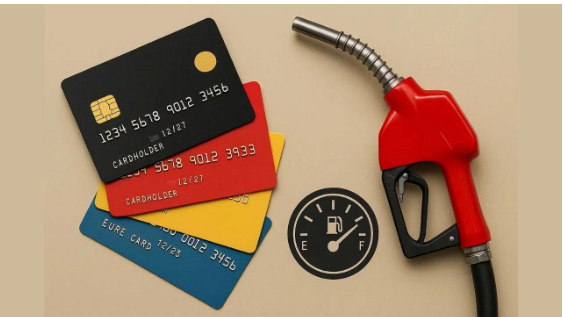
Struggling to control rising fuel costs for your fleet? Fleet fuel cards are the game-changer you need. Learn how these smart cards offer better control over spending, reduce administrative tasks, and enhance security — all while helping you save on fuel expenses
For companies that rely on large vehicle fleets, managing fuel expenses can quickly become a complex and time-consuming task. Fleet fuel cards are designed to simplify this process, providing a smarter, more efficient way to handle fuel management. Let’s explore how these cards work and the numerous benefits they offer to fleet owners, including companies like AI Corporation, which require advanced systems for managing operational costs across various departments.
What Are Fleet Fuel Cards?
Fleet fuel cards, also known as fuel management cards, are prepaid or credit cards issued to companies with vehicle fleets. These cards allow drivers to purchase fuel at participating gas stations without the need for cash or company credit cards. Fleet fuel cards also offer a variety of features that make it easier for fleet managers to control and track fuel expenditures.
Fleet fuel cards come with customizable features, such as fuel type restrictions, spending limits, and specific fueling locations. These features help ensure that only authorized purchases are made, thus increasing accountability and control over fuel spending.
Key Benefits of Fleet Fuel Cards for Large Vehicle Fleets
Fleet fuel cards are an essential tool for fleet managers looking to streamline operations and improve efficiency. Here’s how they benefit large vehicle fleets:
1. Enhanced Control Over Fuel Spending
One of the primary advantages of fleet fuel cards is that they provide fleet managers with better control over fuel expenses. By setting spending limits and fuel type restrictions, fleet managers can ensure that their drivers are only purchasing the fuel they need, when they need it. This reduces the likelihood of unauthorized purchases or misuse, ultimately leading to more accurate budgeting and cost control.
2. Simplified Reporting and Record-Keeping
Fleet fuel cards also simplify reporting and record-keeping, a crucial part of managing large vehicle fleets. All transactions made with the cards are automatically recorded, allowing fleet managers to easily track fuel usage. Most fuel card providers offer online portals where transaction data can be accessed in real-time, providing instant insights into fuel spending patterns and helping fleet managers identify any potential inefficiencies.
For example, fleet managers can generate detailed reports that show fuel consumption per vehicle, compare fuel usage over time, and assess fuel costs by route or driver. This data can help optimize fuel management strategies and identify opportunities for cost savings.
3. Reduced Administrative Burden
Managing fuel expenses without fleet fuel cards often involves a lot of paperwork and administrative effort. Drivers may need to submit fuel receipts, which then need to be manually processed and categorized. With fleet fuel cards, this process is automated, reducing the time spent on administrative tasks and allowing fleet managers to focus on more critical areas of fleet management.
Additionally, many fuel cards integrate with existing accounting and fleet management software, making it easy to reconcile fuel expenses with other operational costs. This eliminates the need for manual data entry and minimizes the risk of errors.
4. Improved Security
Fuel card transactions are more secure than cash purchases, as they reduce the risk of theft or fraud. Fleet fuel cards are typically PIN-protected, ensuring that only authorized drivers can use them. Additionally, fleet managers can set up alerts to monitor real-time transactions and receive notifications if any unusual or unauthorized activity occurs.
Moreover, because fleet fuel cards are not linked to personal accounts or individual drivers’ credit cards, the risk of identity theft or fraud is minimized. This added layer of security makes fuel card systems more reliable than traditional payment methods.
5. Fuel Efficiency and Cost Reduction
Large vehicle fleets often have multiple vehicles fueling at different times and locations. Without a system in place, this can result in inefficiencies such as overpaying for fuel or underutilizing fuel discounts. Fleet fuel cards can help mitigate these issues by providing access to a network of fuel stations that offer competitive pricing. Some cards even provide access to fuel discounts, helping fleets save on fuel costs.
In addition to this, the detailed transaction records provided by fleet fuel cards allow managers to assess fuel efficiency per vehicle. By analyzing fuel consumption patterns, managers can identify poorly performing vehicles and take steps to improve overall fleet fuel efficiency, such as conducting maintenance or adjusting routes.
How to Choose the Right Fleet Fuel Card for Your Fleet
With numerous fleet fuel card options available in the market, choosing the right one for your fleet can be a challenge. Here are a few factors to consider when selecting a fleet fuel card:
1. Compatibility with Fuel Stations
Ensure that the fuel card you choose is accepted at a wide network of fuel stations, especially those along the routes your drivers frequently travel. The broader the network of participating stations, the more flexibility your drivers will have when refueling.
2. Reporting Features
Look for fleet fuel cards that offer detailed reporting capabilities. The ability to track and analyze fuel consumption is essential for optimizing your fuel management strategy and identifying cost-saving opportunities.
3. Customizable Control Features
Select a fleet fuel card that allows you to customize spending limits, fuel types, and locations. This ensures you can tailor the card to your fleet’s specific needs and prevent unauthorized transactions.
4. Customer Support and Account Management
Consider the level of customer support offered by the fleet fuel card provider. A good provider should offer easy access to account management tools and responsive customer service to help resolve any issues that may arise.
Closing Remarks
Fleet fuel cards are an invaluable tool for managing the fuel costs of large vehicle fleets. They provide greater control, streamline administrative tasks, enhance security, and enable fleet managers to make data-driven decisions that improve fuel efficiency. By choosing the right fleet fuel card, fleet managers can reduce costs, improve operational efficiency, and gain better insights into their fleet’s fuel usage.